What to check before buying garden chairs and tables
Garden furniture takes more than a season of sun, rain and weekend use. Chairs wobble, table tops fade, cushions trap water, and small hardware can turn a pleasant patio into a daily annoyance. Before buying, look past the shape and colour and check the details that decide whether a set stays comfortable and easy to care for.
The best choice depends on where the furniture sits, how often it is used, and how much upkeep feels reasonable. A sheltered courtyard gives different demands from an exposed deck or a poolside dining area. A practical comparison starts with the frame, surface, joints and feet, then moves to cleaning and storage.
Frame material and construction
Start with what the frame is made from and how it is put together. Resin, powder coated metal, treated wood and synthetic weave all handle outdoor life differently. Resin can be a good fit for people who want low maintenance outdoor chairs, since the material does not need painting and usually cleans with a simple wash. Look for even moulding, smooth edges and consistent colour, as these are visible signs of careful manufacturing.
For metal, check the finish for a uniform coating and pay attention to joints, as scratches and exposed edges can become weak spots. For wood, ask which species is used and how it has been treated, then think about whether occasional sealing fits the routine. Synthetic weave should feel tight and regular, with no loose strands around the arms or legs.
Stability matters as much as material. Place a hand on the back of a chair and press gently from side to side. A little flex is normal, but sharp movement at the joint suggests a weaker build. On tables, check that the legs meet the top squarely and that the apron or support under the surface does not twist.
Weather resistance that suits the site
Think about the exact exposure. Full sun, damp shade, coastal air and freezing winter nights all place different stress on outdoor pieces. weather resistance is not one single feature. It is the result of material choice, finish, drainage and the way water leaves the surface.
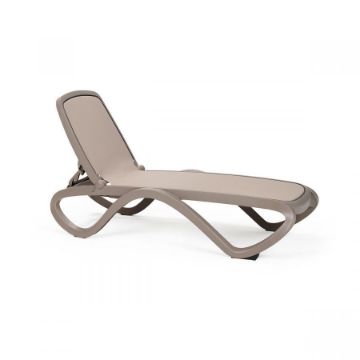
UV stability is worth checking when furniture will sit in bright sun. A material with poor resistance may fade, become brittle or feel chalky over time. Dark colours can show heat and fading more readily, while lighter tones may hide surface marks. That does not mean one colour is always better, only that the finish should be consistent and suited to the location.
moisture exposure deserves the same attention. Cushions, slats and table frames can hold water if shapes trap pools or if coverings do not breathe. Look for seat designs that shed rain and surfaces that dry after a shower. If the set will stay outside through winter, ask how the materials respond to freeze thaw cycles, since trapped water can widen small cracks in rigid parts.
Comfort and everyday fit
A chair can look attractive and still be uncomfortable after a long meal. Check seat height, depth and back angle rather than relying on appearance alone. Feet should rest flat, the back should support the lower spine, and the arms should allow the chair to slide under a table without catching.
For dining sets, compare chair arm height with the table apron. For lounge seating, consider whether the recline position feels natural and whether the frame stays steady when someone shifts weight. If cushions are included, press them and check the cover closure. A cover that can be removed makes surface cleaning much easier than a fixed fabric layer.
Think about the body sizes of regular users too. A compact chair may suit a balcony but feel cramped at a family table. A broad seat may feel relaxed but take more space than a small patio allows. Measure the footprint before choosing, including room to pull chairs out and walk around the table.
Surfaces, drainage and cleaning
Low upkeep starts with surfaces that do not trap dirt. Smooth table tops, rounded chair edges and simple slat shapes are easier to wipe than deep grooves or intricate trim. If the set includes slats, check the gaps. They should allow water to pass through without making the seat feel uneven.
drainage holes are small details with a practical job. They help water escape from hollow parts instead of sitting inside, where it can leave marks or encourage growth. Look under seats, along table frames and inside any hollow base. If a piece has no visible outlet, ask how water is meant to leave after heavy rain.
For surface cleaning, check whether the finish tolerates mild soap and water, and whether harsh cleaners should be avoided. A good routine is usually simple: rinse loose grit, wash with a soft cloth, then dry the area where water might collect. Abrasive pads can dull a finish, so a soft brush is often the safer choice for textured surfaces.
When comparing options, outdoor resin furniture can be appealing where regular wiping matters more than refinishing. The same point applies across materials: choose a surface that matches the mess the furniture will actually face. A dining table near a lawn may collect pollen and soil, while a quiet balcony may mainly need dust removed.
Hardware, feet and small details
Small parts often cause the most irritation. Check screws, caps and brackets for a neat fit. Fasteners should sit flush and not catch on clothing. Plastic caps should stay seated, and visible bolts should look corrosion resistant. If a chair uses bolts at the arms or back, ask whether replacement parts are easy to identify later.
Feet protect both the furniture and the ground. Non slip feet help chairs stay put on smooth paving, while wider feet reduce the chance of sinking into soft ground. Check whether feet are adjustable, especially for tables on uneven patios. A stable table makes meals far more pleasant than one that needs a folded napkin under a leg.
Stacking and moving also belong on the list. Stackable chairs need enough clearance to nest without scraping, and they should not feel dangerously top-heavy when lifted. Tables with folded legs need clear latches and a stable open position. Heavy pieces may be durable but awkward for regular rearranging.
Storage and covering
Even durable pieces benefit from sensible storage. If furniture can be moved under cover during severe weather, check whether the pieces are light enough and compact enough to handle safely. Two person lifting is sensible for large tables, and slippery boxes should never be dragged across paving.
protective storage does not have to mean a full shed. A fitted cover, a sheltered wall or a garage during the coldest months may be enough. Make sure covers allow air to move, since trapped damp can leave marks on frames and cushions. Cushions should be dry before they are stored, as fabric holds moisture long after the surface feels dry.
For pieces that remain outside, choose positions that reduce standing water and constant contact with soil. Raised feet help air move underneath. Keeping furniture away from sprinkler spray can also reduce repeat cleaning and stubborn marks.
Matching chairs and tables as a set
Buying pieces separately can work well, but proportions need care. Chair seats should sit at a comfortable height under the table, and the table should be wide enough for place settings without crowding elbows. Round tables encourage conversation but may limit seating count. Rectangular tables suit larger groups and are easier to place against a wall.
Visual consistency helps a patio feel settled, yet identical finishes are not always necessary. A neutral table can pair with chairs in a similar tone, while cushions can add colour without changing the whole set. If the space is small, choose pieces with slim arms and a clear visual line so the area does not look crowded.
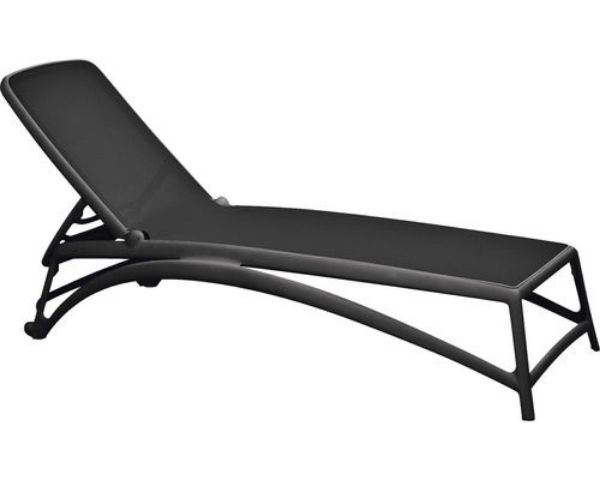
Commercial patios have tougher demands, with frequent cleaning and constant movement. In that setting, simple shapes, sturdy joints and easy-clean surfaces usually matter more than decorative detail. Home settings can lean slightly softer, though the same basic checks still apply.
Questions worth asking before purchase
A few direct questions can prevent disappointment. Ask what the frame is made from, how the finish is applied, and which cleaners are suitable. Ask whether cushions can be removed, whether covers are available, and whether parts can be replaced. Clear answers make it easier to judge long term value without relying on appearance alone.
Also ask how the set should behave in rain and cold, especially if it will stay outdoors year round. A seller who can explain drainage, material limits and care needs is usually more useful than one who only describes colour options. For anyone comparing low maintenance outdoor chairs with other patio seating, the decision often comes down to honest match between material, climate and daily routine.
A careful purchase is less about finding a perfect looking set and more about spotting practical details early. Check the frame, the finish, the joints, the feet and the cleaning needs before committing. Those few minutes of attention can make the difference between furniture that feels like a burden and furniture that simply fits the space.